All Fellowships
US-China AI Governance PhD Fellowships
The PhD Fellowship in US-China AI governance collaboration is for PhD students who plan to work on US-China AI governance research, or for existing PhD students who would not otherwise have funding to work on US-China AI AI governance research.
Status:
Closed for submissions
Deadline: November 21, 2025
Since 2021, our Fellowship programs have supported a remarkable community of PhD students and postdoctoral researchers working on AI existential safety and AI governance. Over the past several years, our Fellows have gone on to make a deep and lasting impact: advancing critical research, joining leading institutions, and helping to strengthen the global talent pipeline in this vital field. We are immensely proud of everything they have accomplished.
We will not be accepting applications for Fellowships in the fall of 2026. We are taking a pause to reflect on the program and reassess its direction for the future. We do not have a timeline to share at this stage, and we encourage prospective applicants to plan accordingly. To stay informed about this and other grant opportunities, we invite you to subscribe to our newsletter.
Fellows receive:
- Tuition and fees for 5 years of their PhD, with extension funding possible.
- $40,000 annual stipend at universities in the US, UK and Canada.
- A $10,000 fund that can be used for research-related expenses such as travel and computing.
- Invitations to virtual and in-person events where they will be able to interact with other researchers in the field.
- Applicants who are short-listed for the Fellowship will be reimbursed for this year's application fees for up to 5 PhD programs.
See below for research priorities and additional eligibility criteria.
Questions about the fellowship or application process not answered on this page should be directed to grants@futureoflife.org
Grant winners
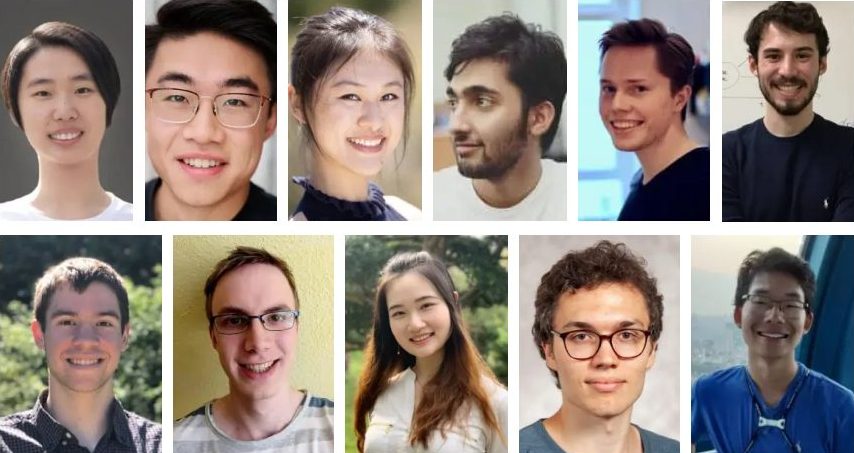
People that have been awarded grants within this grant program:

Kristy Loke

Oskar Galeev

Ruofei Wang

John Ferguson

Kayla Blomquist
Request for Proposal
US-China AI Governance Research Priorities
Research on “US-China AI Governance” refers to work that explores risk reduction in US-China relations in AI. This includes:
- Research that investigates the role of global governance in reducing the risks associated with a US-China AI competition. In particular, this research stream refers to the conditions to mitigate AI race dynamics in which countries cut corners on safety to develop and deploy advanced AI systems (Cave and ÓhÉigeartaigh 2018). Examples include:
- Analyzing the political factors that would shape the effectiveness of US-China cooperation on AI governance. One possible approach translates lessons learned from great power cooperation in other technologies to global AI governance. Related work has found that the strength of transnational scientist-to-scientist interactions played an important role in whether the US shared nuclear safety and security technologies with its rivals (Ding 2024).
- Exploring the particular characteristics of AI technology that make it more or less amenable for US-China engagement. For example, some researchers have argued that arms control agreements for military AI systems will be unlikely because these systems will likely be indistinguishable from their civilian counterparts (Vaynman and Volpe 2023).
- Research that explores the current extent of US-China collaboration on AI governance issues, with a focus on specific areas and institutions that could benefit from strengthened interaction. Examples include:
- Research that improves understanding of China and/or the U.S.’s approach to AI risk management, with an eye toward key differences and commonalities that may affect international cooperation.
- Assessing the institutional designs that would be most suitable for US-China cooperation on AI governance (and other interventions beyond direct engagement). Potential mechanisms for further research include: international norms, “soft law” agreements, treaties, standards, and new institutions (Dafoe 2018). Researchers could also study the role that third countries can play in reducing risks that stem from current and future US-China competition in AI.
Our other fellowships
Technical PhD Fellowships
Closed for submissions
Deadline: November 21, 2025

Technical Postdoctoral Fellowships
Closed for submissions
Deadline: 5 January 2026
All Fellowships